Understanding Tax Filing in Canada: A Guide from Angela's Accounting


Filing taxes in Canada can seem daunting, but with the right guidance, it becomes a manageable task. At Angela's Accounting, we aim to simplify the process for you. Whether you're a first-time filer or someone looking to refresh your knowledge, this guide will help you navigate the tax filing landscape with confidence.
Understanding the Basics of Tax Filing
In Canada, the tax system is progressive, meaning the tax rate increases as your income increases. The tax year runs from January 1st to December 31st, and individuals are required to file their returns by April 30th of the following year. If you owe taxes, it's crucial to meet this deadline to avoid penalties.
Who Needs to File a Tax Return?
Most Canadians need to file a tax return if they have earned income. This includes employment income, self-employment income, and even some government benefits. Filing a return is also necessary if you want to claim a refund or receive benefits like the Canada Child Benefit.
Preparing Your Documents
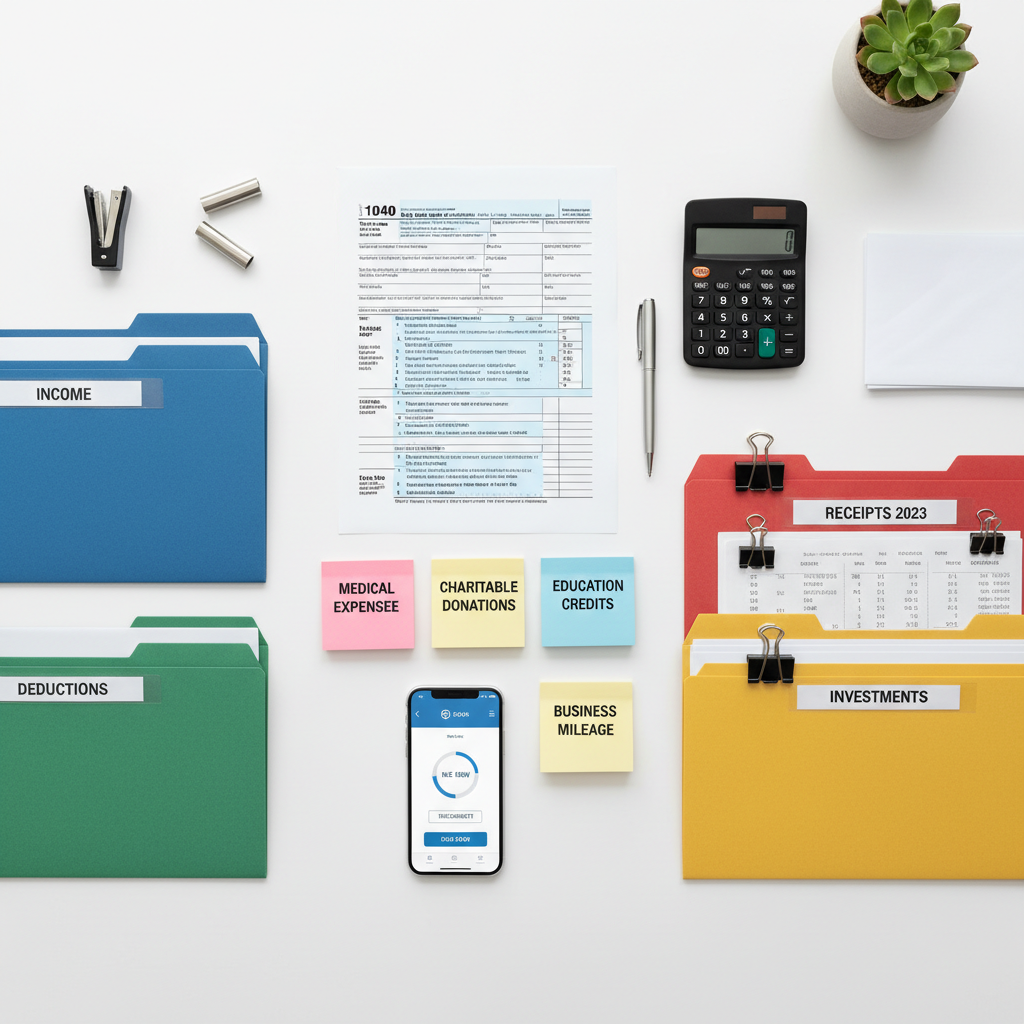
Before you start filing, gather all necessary documents. These include T4 slips for employment income, T5 slips for investment income, and receipts for any deductible expenses. Having these documents organized will make the filing process smoother and ensure you don't miss out on any deductions.
Using Tax Software or a Professional Accountant
Many Canadians use tax software to file their returns, but hiring a professional accountant can provide additional peace of mind. Software can guide you through the process with prompts, while a professional can offer personalized advice and ensure you're taking advantage of every deduction and credit available.
Common Tax Deductions and Credits
Understanding what deductions and credits you qualify for can significantly reduce your tax bill. Common deductions include RRSP contributions, moving expenses, and union dues. Credits like the GST/HST credit and the tuition tax credit can also provide relief.

Filing for Self-Employed Individuals
If you're self-employed, your tax filing process is slightly different. You'll need to report your business income and expenses, and you have until June 15th to file. However, if you owe taxes, the payment is still due by April 30th. Keeping accurate records throughout the year is essential for self-employed individuals.
Avoiding Common Mistakes
One of the most common mistakes is missing the filing deadline. This can result in late fees and interest charges. Another frequent error is not reporting all sources of income, which can lead to audits and reassessments. Double-check your return for accuracy before submission.
At Angela's Accounting, we’re here to make your tax filing experience as stress-free as possible. Whether you need assistance with preparation or filing, our team is ready to help. Contact us today for expert advice tailored to your financial situation.