Understanding Financial Statements: A Guide for Small Business Owners


Introduction to Financial Statements
As a small business owner, understanding financial statements is crucial for making informed decisions. These documents provide insights into your business's financial health, helping you track performance, manage cash flow, and plan for growth.

What Are Financial Statements?
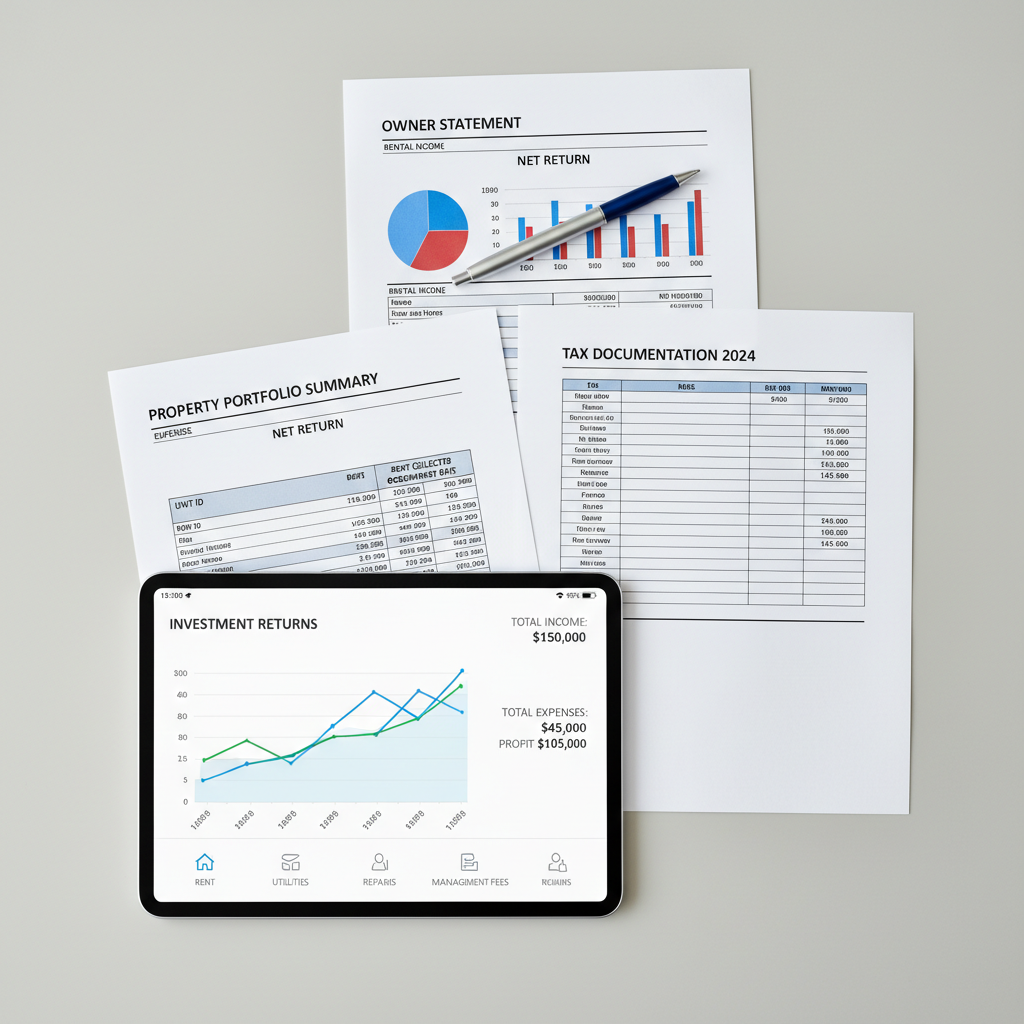
Financial statements are formal records of your business's financial activities. They comprise three main components: the income statement, balance sheet, and cash flow statement. Each of these documents offers a unique perspective on your business operations.
The Income Statement
The income statement, or profit and loss statement, shows your company's revenues and expenses over a specific period. It highlights your net profit or loss, offering a clear view of your business's profitability. Key components include revenue, cost of goods sold, and operating expenses.
The Balance Sheet
The balance sheet provides a snapshot of your company's financial position at a specific point in time. It lists all assets, liabilities, and equity, helping you understand what your business owns and owes. This statement is vital for assessing liquidity and financial stability.
The Cash Flow Statement
The cash flow statement tracks the flow of cash in and out of your business. It is divided into three sections: operating activities, investing activities, and financing activities. This statement is essential for ensuring you have enough cash to cover expenses and invest in growth.

Why Financial Statements Matter
Financial statements are not just for accountants. They are vital for business planning, securing loans, and attracting investors. By regularly reviewing these documents, you can make strategic decisions, identify potential issues, and take corrective actions.
Common Mistakes to Avoid
Many small business owners overlook the importance of accurate financial records. Common mistakes include failing to separate personal and business finances, neglecting regular updates, and misunderstanding financial terminology. Avoid these pitfalls to maintain healthy financial practices.

Getting Professional Help
If managing financial statements feels overwhelming, consider hiring a professional accountant or financial advisor. These experts can provide valuable insights, ensure compliance with regulations, and help you make data-driven decisions.
Conclusion
Understanding financial statements is a critical skill for small business owners. By familiarizing yourself with these documents, you can enhance your business's financial health and set the stage for long-term success. Regularly review and analyze your financial statements to stay informed and proactive in managing your business.