Tax Season Preparation: A Guide for Individuals and Businesses in Canada


Understanding the Basics of Tax Season
Tax season in Canada can be a daunting time for both individuals and businesses. It's essential to understand the basics to ensure a smooth process. The tax year in Canada runs from January 1 to December 31, and the deadline for filing is typically April 30 of the following year. However, if you or your spouse or common-law partner is self-employed, you have until June 15 to file, though any balance owing is still due by April 30.
Gathering Necessary Documentation
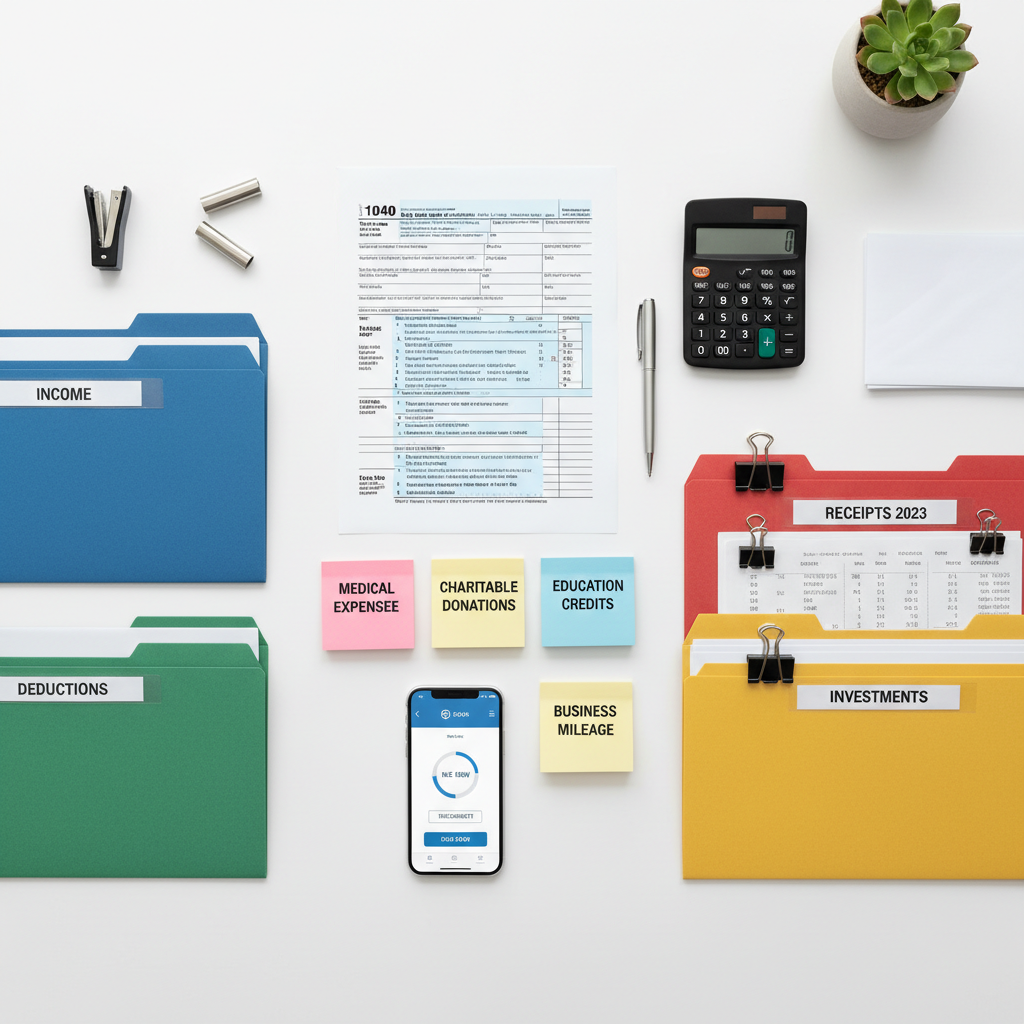
Preparation is key when it comes to tax season. Start by gathering all necessary documentation, which may include income slips like T4s, T4As, and T5s. If you're a business owner, ensure you have all relevant business income and expense receipts. Keeping your records organized throughout the year can save you a lot of hassle when tax time comes around.
For individuals, also consider deductions and credits you may be eligible for, such as RRSP contributions, student loan interest, or childcare expenses. Businesses should focus on tracking expenses like office supplies, travel, and employee salaries.
Leveraging Tax Software and Professionals
In today's digital age, tax software can be a valuable tool for simplifying the filing process. Many programs offer step-by-step guidance and can help maximize your returns by identifying potential deductions and credits. Always ensure the software you choose is certified by the Canada Revenue Agency (CRA).
Alternatively, hiring a professional accountant or tax advisor can provide peace of mind. They can offer personalized advice tailored to your unique financial situation, ensuring compliance with the ever-changing tax laws in Canada.
Common Mistakes to Avoid
One of the most common mistakes is missing the filing deadline, which can result in penalties and interest on any taxes owed. Ensure you file on time, even if you can't pay the full amount right away. Another common error is failing to report all sources of income, which can lead to audits and further penalties.
Planning Ahead for Future Tax Seasons
Once you’ve filed your taxes, it's a good time to start planning for next year. Consider setting up a system for organizing receipts and documents throughout the year. Regularly updating your records can make the next tax season much less stressful.

Additionally, staying informed about changes in tax law and potential new credits or deductions can help you plan more effectively and take full advantage of your entitlements.
Conclusion
Preparing for tax season in Canada requires organization, understanding, and sometimes professional assistance. Whether you're an individual or a business, taking proactive steps can make the process more manageable and ensure you meet all your obligations. By staying informed and organized, you can navigate tax season with confidence and ease.