Financial Planning for Growth: Strategies from Angela's Accounting


Understanding Financial Planning for Growth
Financial planning is crucial for any business aiming for growth. At Angela's Accounting, we believe that structured financial strategies can lead to sustainable expansion. By assessing your current financial status and identifying growth opportunities, you can set your business on a path to success.
Effective financial planning involves understanding your cash flow, setting realistic goals, and preparing for unexpected challenges. This requires a thorough analysis of your financial statements and a proactive approach to managing your resources.

Setting Clear Financial Goals
The first step in financial planning for growth is setting clear and achievable financial goals. This involves identifying what you want to achieve in the short and long term. Goals could range from increasing revenue by a certain percentage to expanding into new markets.
Once you have set your goals, it’s important to create a detailed plan to achieve them. This includes allocating budgets, forecasting sales, and ensuring you have the necessary resources to meet your targets.
Optimizing Cash Flow Management
Cash flow is the lifeblood of any growing business. To ensure you have the cash necessary for expansion, it’s essential to monitor your inflows and outflows closely. Angela's Accounting recommends regularly reviewing your cash flow statements to identify trends and potential issues.
Implementing effective cash flow management strategies can help you maintain a healthy balance, reduce expenses, and invest in growth opportunities. Consider automating invoicing and payment processes to improve efficiency.

Investing in Technology and Innovation
Investing in technology can significantly boost your business’s growth potential. Whether it’s upgrading your accounting software or adopting new marketing tools, technology enhances efficiency and productivity. Angela's Accounting encourages businesses to stay updated with the latest technological advancements.
Innovation goes hand in hand with technology. By fostering a culture of innovation, businesses can develop new products, improve customer service, and stay ahead of the competition. This requires a commitment to continuous learning and adaptation.
Managing Risks and Preparing for Uncertainty
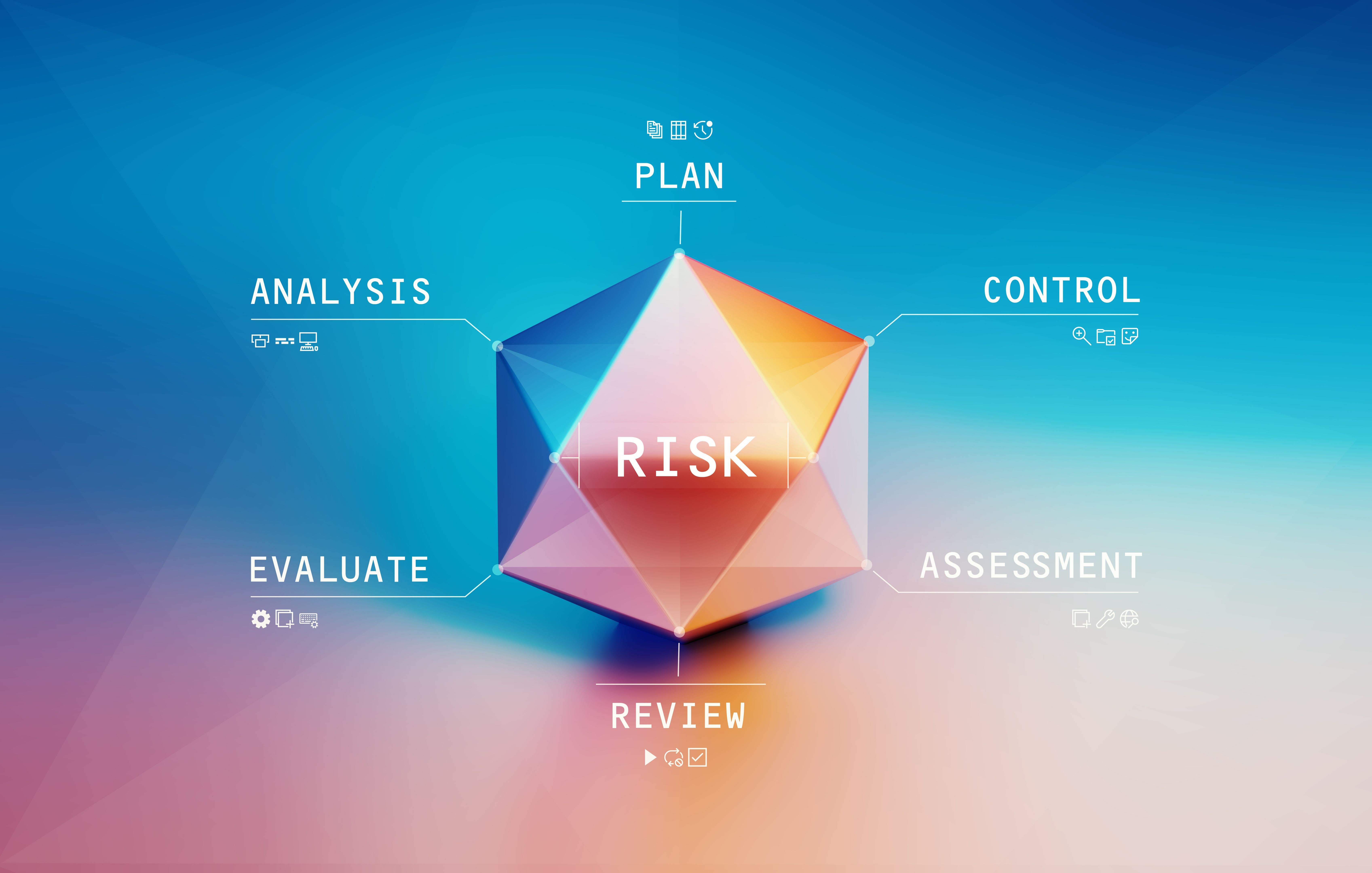
Every business faces risks, but those that plan effectively are better equipped to handle them. Angela's Accounting advises conducting regular risk assessments to identify potential threats to your business. This includes financial risks, market changes, and operational challenges.
A comprehensive risk management plan should include strategies to mitigate these risks and ensure business continuity. Building a financial cushion and having contingency plans in place can help you navigate uncertain times.
Evaluating and Adjusting Your Strategy
Financial planning is not a one-time task; it requires ongoing evaluation and adjustment. Regularly reviewing your financial performance against your goals allows you to make informed decisions and adjust your strategy as needed.
Angela's Accounting recommends scheduling quarterly financial reviews to assess your progress and make necessary changes. This proactive approach ensures that your business remains on track for sustainable growth.
By following these strategies, businesses can create a solid foundation for growth. Angela's Accounting is here to support you every step of the way, providing expert guidance and insights to help you achieve your financial goals.