A Step-by-Step Guide to Effective Bookkeeping for Small Businesses


Introduction to Bookkeeping
Bookkeeping is the backbone of a successful small business. It involves recording all financial transactions to track income and expenses. An effective bookkeeping system ensures financial accuracy and aids in making informed decisions.
For small businesses, maintaining a streamlined bookkeeping process can be the difference between thriving and merely surviving. Here’s a step-by-step guide to help you manage your books effectively.

Setting Up Your Bookkeeping System
Before diving into the details, choose a bookkeeping method that suits your business needs. Many small businesses use either a cash or accrual basis. The cash basis records transactions when cash changes hands, whereas the accrual basis records them when they are incurred.
Next, decide whether you will handle bookkeeping manually or with software. While manual bookkeeping can work for very small businesses, accounting software offers greater efficiency and accuracy. Popular choices include QuickBooks and Xero.
Organizing Financial Documents
Proper organization is critical. Keep all financial documents such as invoices, receipts, and bank statements in a secure place. Digital storage solutions, like cloud-based services, are often more efficient and less prone to loss than physical files.

Regularly categorize your transactions by type, such as sales, expenses, and payroll. This will streamline your financial analysis and reporting.
Recording Transactions
Accurate transaction recording is vital. Ensure that you log every financial transaction promptly. This includes sales, purchases, expenses, and any other financial activity. Consistency is key to maintaining accurate records.
Use a chart of accounts to organize transactions into categories. This structure will help you track financial performance across different areas of your business.
Reconciliation and Review
Regularly reconcile your accounts to ensure that your records match your bank statements. This step helps catch any discrepancies early and prevents potential financial issues.
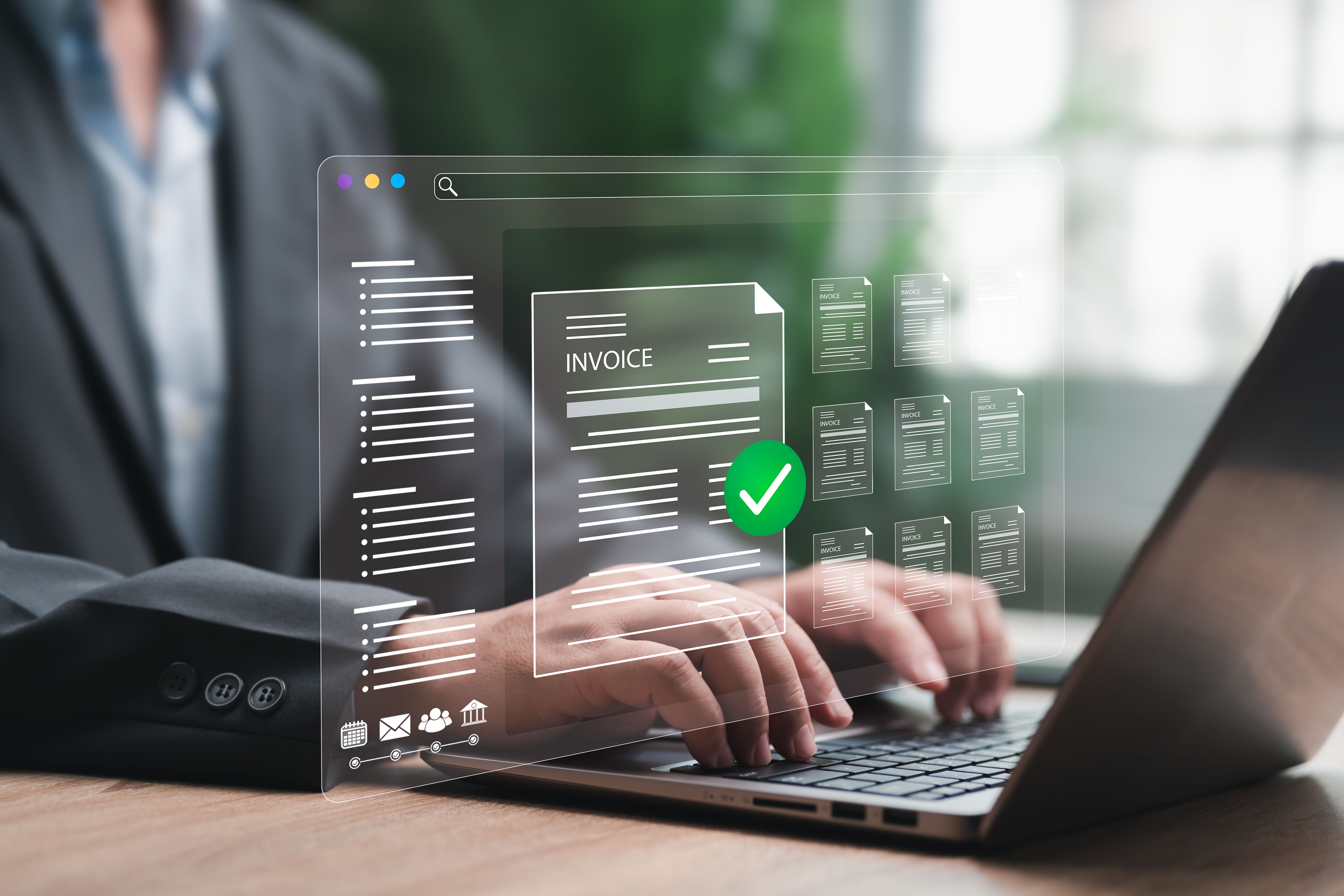
Schedule periodic reviews of your financial data. Analyze your income and expenses to identify trends, areas for improvement, and opportunities for growth.
Compliance and Reporting
Stay compliant with local regulations by keeping your financial records up-to-date. Accurate bookkeeping is essential for tax filing and audits. Regularly consult with a professional accountant to ensure compliance.
Generate financial reports such as profit and loss statements, balance sheets, and cash flow statements. These reports provide valuable insights into your business's financial health and guide strategic decisions.
Conclusion
Effective bookkeeping is crucial for the success of small businesses. By following these steps, you can ensure that your financial records are accurate, organized, and compliant. With a solid bookkeeping system in place, you'll be better equipped to make informed business decisions and foster growth.